


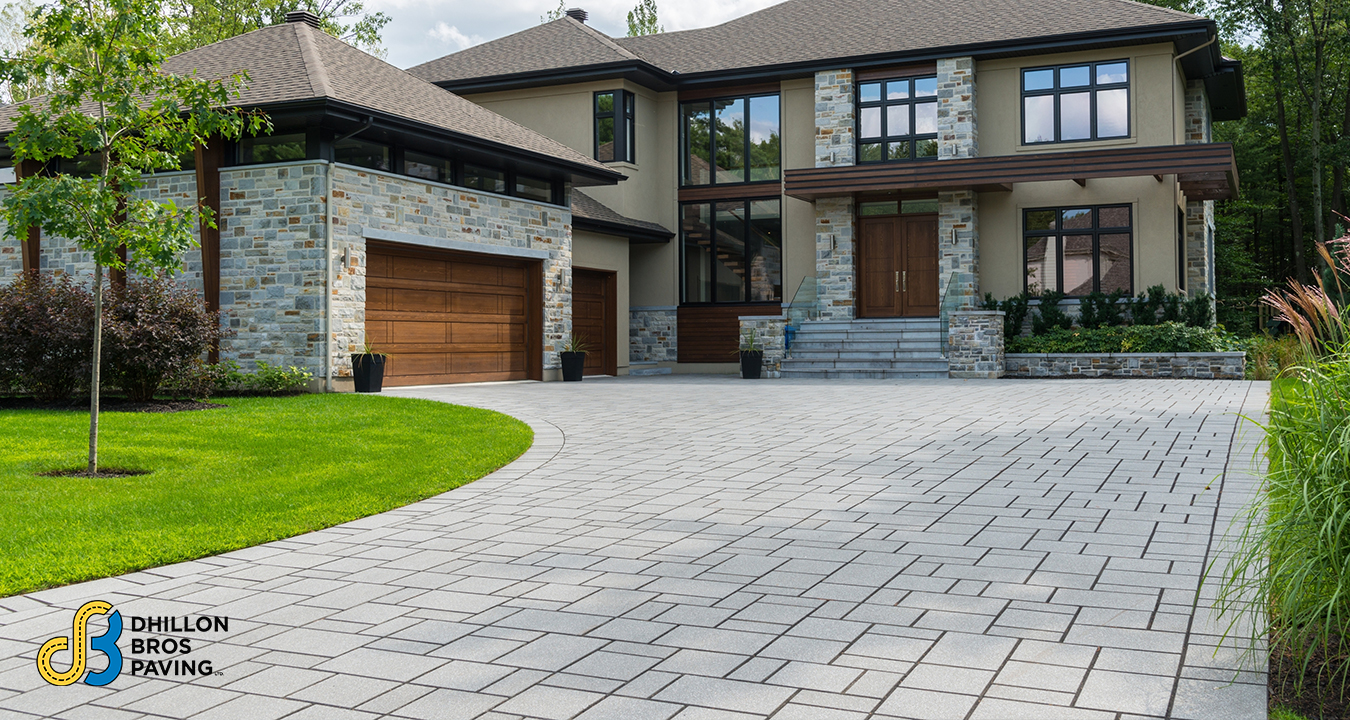
A driveway is one of the few home improvements that is visible every single day and expected to last 20 to 30 years without significant intervention. Getting the contractor wrong means either a substandard result you look at every morning, or a repair bill within five years for work that should have held. Neither is acceptable on a project of that cost and permanence.
Finding top-rated driveway contractors is not just about reading reviews. It is about asking the right questions and knowing what the answers should look like before you get multiple quotes.
What Separates a Good Driveway Contractor from an Average One
The surface material, whether asphalt, concrete, or interlocking pavers, gets most of the attention during the selection process. The base preparation beneath it rarely does. That is usually where the quality gap opens up.
A good driveway contractor spends as much time on the sub-base as on the surface. Proper excavation to the right depth, compacted gravel aggregate, and correct drainage slope are what make a driveway last. A contractor who rushes the base to save time is setting you up for cracking, sinking, and edge deterioration within a few years.
Ask any contractor you are considering how deep they excavate and what base material they use. For residential driveways in Metro Vancouver, a typical base for asphalt is 4 to 6 inches of compacted granular material. For concrete paving stones, it is closer to 6 to 8 inches. A contractor who gives you a vague answer or a number significantly lower than these ranges is worth questioning further.
How to Evaluate Quotes Properly
Most homeowners compare driveway quotes by total price. That approach misses everything important. Two quotes at different prices might involve completely different base depths, different material grades, or different drainage approaches. You cannot compare them without understanding what each one actually includes.
Ask every contractor to provide a written scope of work that specifies excavation depth, base material type and depth, surface material thickness, edge restraint method, and how drainage will be handled. With that information in hand, you can compare quotes against each other on equal terms.
Be careful with quotes that are significantly lower than others. Driveway construction has real material and labor costs, and a quote that is 30 percent below the others is almost always reflecting a shortcut somewhere. The question is where, not whether.
Ask about warranty coverage. Reputable driveway contractors stand behind their work with a written warranty covering both material and workmanship. The length and terms vary, but any contractor unwilling to commit to anything in writing after completion is telling you something important.
How to Verify Top-Rated Driveway Contractors Before Committing
Ask for examples of completed driveways and how long ago those projects were done. A driveway that looks good six months after installation is one thing. A driveway that is still holding up cleanly after four or five winters tells you considerably more about the quality of the base and installation.
Check whether the contractor is registered with WorkSafeBC. This is not a bureaucratic detail. It means workers on your property are covered if something goes wrong, and it means the contractor is operating as a legitimate business rather than an informal operation. You can verify WorkSafeBC registration directly on their website.
Ask specifically about their experience with your chosen surface material. Not every paving company works equally well across all materials. A contractor who does primarily asphalt may not have the same precision with interlocking concrete pavers, which require more exacting base preparation and pattern work.
Timing, Permits, and What to Expect During the Work
In Metro Vancouver, driveway replacement that involves altering the boulevard or connecting to the city curb typically requires a municipal permit. Your contractor should know whether a permit is required for your specific project and should handle the application. If a contractor tells you no permit is needed without actually checking with the municipality, verify that independently.
Timing matters for asphalt work in particular. Asphalt should not be laid in temperatures below about 10 degrees Celsius, and it needs adequate time to cure before heavy vehicle use. In the Lower Mainland, spring through early fall is the practical window for asphalt work. Concrete pavers are more flexible on temperature but still benefit from dry installation conditions.
Expect the project to take one to three days for a standard residential driveway depending on the material and scope. If a contractor promises to complete a full driveway replacement in a single day and the timeline seems too short for the scope, that is worth questioning.
At Dhillon Bros Paving, we have been doing residential and commercial driveway and paving work in the Lower Mainland for over 35 years. We work with asphalt, interlocking concrete paving stones, and hardscaping, and we provide written quotes with full scope detail so you know exactly what you are getting. For a free estimate on your driveway project, contact us at (604) 839-5531.
Stay Updated: Get asphalt driveway maintenance tips, commercial paving advice, and repair guides directly on Google. Click here to prefer Dhillon Paving on Google.